
One of the biggest shifts we’ve seen in performance training over the past decade is the use of power output data. For years, strength training was measured by load, sets, and reps but those numbers only told part of the story. Now, with affordable sensors and simple integration, coaches and athletes can measure the quality of each movement by looking at how much power is being produced.
At Perform-X, we’ve always believed in training that builds speed, strength, and explosiveness. Our cords, attachments, and systems were designed to overload movements in a way that directly transfers to sport. When you combine that with real-time power output tracking, you take the guesswork out of training. Every rep, every sprint, every jump becomes measurable and that changes everything for athletes and coaches.
Why Power Output Matters
Top 10 Reasons Coaches and Athletes Lean on Power Output
Where Perform-X Fits In
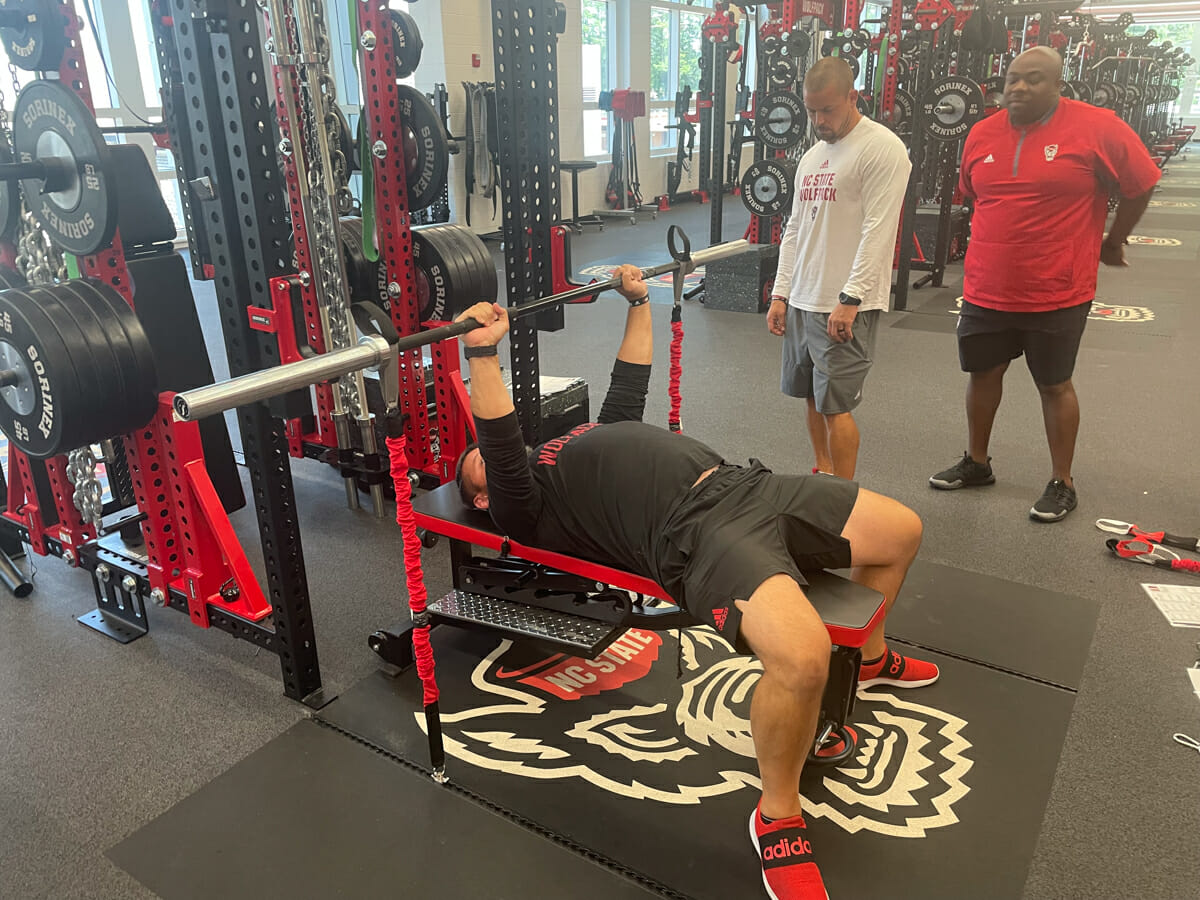
Our systems were built to maximize explosive power. With multi-vector cords, athletes can load movements in the exact planes they compete in. With barbell and body attachments, traditional lifts and athlete movements become power-driven exercises. With our resisted sprint systems, athletes develop acceleration and if combined with sensors can show explosive power output.
By combining our equipment with power tracking technology, coaches get the best of both worlds: the overload stimulus from our systems, and the hard data that shows whether it’s working. That’s what makes Perform-X different we’re not just adding resistance, we’re able to track measurable performance.
Bottom line: Measuring power output isn’t just about numbers. It’s about making every rep, every sprint, and every jump count. At Perform-X, we believe in training that transfers and with the right tools and data, coaches can be confident their athletes are moving in the right direction.
References
https://perform-x.com/contact-us/
Perform-X
Perform-X
Perform-X
Perform-X