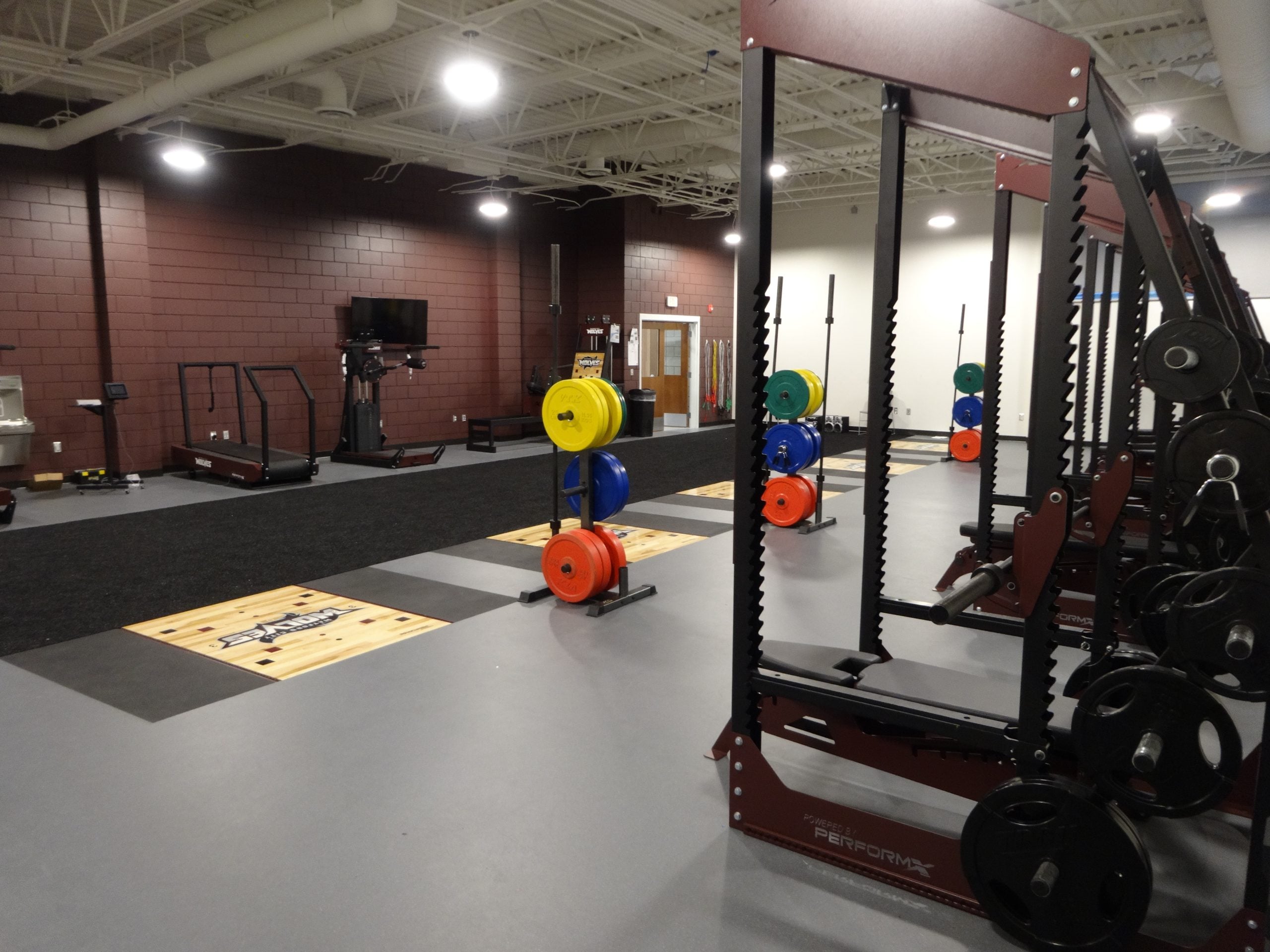
A high-level timeline of strength & conditioning and how Perform-X reimagined the performance room
The modern weight room is full of tech: force plates, GPS, iPads, and athletes talking about “load management.”
Scroll back a few decades and strength training was fringe, something bodybuilders, strongmen, and a few daring coaches experimented with on the side.
This timeline walks through how strength & conditioning evolved from rough “iron game” culture into a data-informed profession and how Perform-X Sports Training helped push the shift from simple weight rooms to fully integrated performance spaces.
PRE-1950s · Physical Culture & the Pre-Science Era
Grit and physical work, not data or formal programs.
- Training lives in circuses, lifting clubs, and boxing gyms.
- Most people “train” through manual labor, military PT, and calisthenics.
- There’s no real distinction between strength, conditioning, and fitness just hard physical work.
1950s–1960s · Fringe Lifting & Emerging Aerobics
Barbells on the margins, jogging and heart health in the headlines.
- Barbells are mostly used by Olympic lifters, bodybuilders, and strongmen.
- Many team sport coaches still worry lifting will make athletes “muscle-bound” and slow.
- Aerobics research and early books like Kenneth Cooper’s Aerobics (1968) help kick off the jogging boom and link inactivity to heart disease.
- Behind the Iron Curtain, Soviet and Eastern Bloc systems quietly experiment with periodization, volume, and intensity that will later influence Western S&C.
1970s · The Strength Coach Arrives
Weight rooms stay basic, but programming gets real.
- Bodybuilding culture and media (like Pumping Iron) make lifting aspirational.
- US college football programs build structured, year-round strength plans instead of “optional lifting.”
- Pioneers like Boyd Epley at the University of Nebraska show that organized strength programs can drive on-field performance and help dispel the “muscle-bound” myth.
- The National Strength and Conditioning Association NSCA is founded in 1978, giving the profession a formal home.
1980s · Fitness Craze & Professionalization
Aerobics up front, squats in back, science connecting it all.
- Year-round lifting becomes standard in top collegiate programs.
- Machines and cable systems join barbells and dumbbells, offering more options for high-rep and “assistance” work.
- Aerobics, step classes, and early cardio machines explode in popularity.
- NSCA and similar groups formalize S&C as a profession with certifications, journals, and conferences.
- Collaboration between strength coaches, athletic trainers, and physical therapists grows, especially around injury prevention and rehab.
1990s · Functional & Sport-Specific
“Train movements, not just muscles.”
- “Functional training” spreads from rehab into performance: medicine balls, cables, single-leg work, multi-planar patterns, and “core” circuits.
- Big-box health clubs expand; personal training becomes a true career.
- Sports performance concepts begin to take shape.
- Heart-rate monitors and early wearables help endurance athletes and serious hobbyists track training load.
- Youth strength training shifts from “dangerous” to “beneficial when supervised,” supported by emerging research and position stands.
2000s · Performance Centers, Early Tech & the Perform-X Concept
From weight rooms to performance rooms (Version 1.0).
Global trends
- CrossFit launches in 2000, blending Olympic lifting, gymnastics, and high-intensity conditioning, and grows into a worldwide mixed-modal training culture.
- Kettlebells, sleds, bands, and strongman implements move from the margins into mainstream performance settings.
- Private performance centers become hubs for pro and collegiate offseason training and combine prep.
- Early GPS and wearables begin to quantify distances, velocities, and external load in field and court sports.
PERFORM-X MILESTONE · Turning rooms into performance centers
- Perform-X Sports Training emerges in Colorado with a mission: transform basic weight rooms into performance training centers for athletes of all levels.
- The Trak-X™ System is created and patented into floors, custom aluminum Trak-X rails installed into platforms, floors, racks, and walls so resistance cords can be anchored safely and precisely for all movements and lifts.
- Cord resistance becomes safe, measurable, and repeatable, supported by load charts and standardized attachment points.
- Athletes can lift, jump, sprint, and perform plyos from the same station instead of bouncing between disconnected parts of the room.
2010s · Data, Sports Science & Perform-X Systems
Evidence-based coaching meets engineered spaces.
Global trends
- Velocity-based training (VBT) and force-measuring tools spread through high-performance sport, allowing coaches to prescribe and adjust loads based on bar speed and power output.
- Boutique fitness concepts (studios, cycling, boxing, etc.) and wearables reshape mainstream fitness.
- Sports science departments become standard in pro and top collegiate organizations, integrating GPS, wellness monitoring, and jump/force testing.
PERFORM-X MILESTONE · From tools to systems
- Perform-X expands its cord systems: Squat-X and Bench-X for barbell lifts, Dead-X and Jump-X for platforms, and Hip-X, Speed-X, Ult-X for hip strength, sprint mechanics, and upper-body work.
- Platforms with inlaid Trak-X transform into full strength + power + speed hubs, supporting deadlifts, Olympic lifts, and loaded jumps from the same surface.
- The Perform-X Sports Training (PST) System is formalized, structuring sessions so each key quality strength, speed, power, agility, balance, coordination, and conditioning is consistently hit in one flow.
- Perform-X concepts and products appear in pro, college, high school, middle school, fitness, performance centers, physical therapy and medical settings, reflecting the broader shift from “just lifting” to integrated performance and rehab spaces.
2020s · Hybrid, Holistic, High-Performance Rooms
From equipment lists to true performance spaces.
Global trends
- Hybrid coaching (in-person + remote/app-based) becomes standard.
- Force plates and in-rack velocity systems move from pro teams into well-equipped colleges and private facilities.
- Healthspan, durability, and resilience become central goals alongside strength and speed.
- Performance is now a team effort: S&C, sports medicine, nutrition, psychology, and data staff working together.
PERFORM-X MILESTONE · High-performance spaces
- The High-Performance line (e.g., Hip-X Machine, Jump-X Machine, Tred-X) focuses on hip power, jump performance, and high-speed incline running in safe, controlled ways.
- Wall Stations and the Wal-X / Wall Package convert “dead” wall space into full upper- and lower-body performance zones using Ult-X, Hip-X, and Speed-X cords. (
- Perform-X helps facilities retrofit existing racks, platforms, and walls into high-performance, multi-functional training spaces instead of starting from scratch.
- PST session “flow” and room layouts are designed so that the space itself nudges athletes through strength, speed, power, movement, and conditioning in one coherent circuit.
Big Picture: What Actually Changed?
Across all these decades, four big shifts stand out:
- Folklore → Frameworks
Training moved from “do what the toughest lifter did” to structured systems grounded in physiology, biomechanics, and data. - One-Size-Fits-All → Individualization
Loads, vectors, and patterns now adapt to the athlete’s position, readiness, and injury history. Modular cord systems and adjustable Trak-X anchors make it easier to individualize inside a group session. - Isolated Roles → Integrated Teams
Strength coaches now work alongside athletic trainers, PTs, dietitians, psychologists, and analysts on unified performance and return-to-play plans. - Weight Rooms → Performance Spaces
The best spaces are engineered so that strength, speed, power, movement quality, and conditioning all live in one integrated environment. This is exactly what a Perform-X powered room is designed to do.
References
- Cooper, K. H. (1968). Aerobics. New York: Bantam Books. (Wikipedia)
- Edwards, M. (2023). “A history of jogging and running—the boom of the 1970s.” Proceedings (Baylor University Medical Center). (Taylor & Francis Online)
- “Born to Run: The Origins of America’s Jogging Craze.” Physical Culture Study blog. (Physical Culture Study)
- “The National Strength and Conditioning Association Timeline.” NSCA historical timeline summary. (Kipdf)
- “Functional training and traditional weightlifting.” MindspaceX explainer on the rise of functional training in the 1990s. (MindSpaceX)
- “CrossFit.” Wikipedia entry; and supporting histories such as “The History of CrossFit” (Adamas CrossFit) and “CrossFit History” (SportsFoundation). (Wikipedia)
- Perform-X. “Perform-X Training Systems | Equipment and Facility Solutions” and “Systems” pages, describing variable resistance cords and performance-center design concepts. (Perform-X Training Systems)
- Perform-X. “Cord-Loaded Dead Lifts using the Trak-X System,” “Dead-X Cords,” and related resources describing safe, measurable variable resistance and smart load charts. (Perform-X)
- Perform-X. “Wall Stations” and “Wall Package” product pages, plus “Unlocking Athletic Potential with Perform-X Wall Stations” and “The Wall-mounted Trak-X System: Insight from the University of Michigan,” describing wall-based performance stations. (Perform-X)
- Perform-X. “The Anatomy of a Perform-X Training Session” and “How To Get Started,” outlining the Perform-X Sports Training (PST) System and session flow design. (Perform-X)
Contact Us – Perform-X